
Carbon Fiber Shoe Shank: Function, Design and Selection

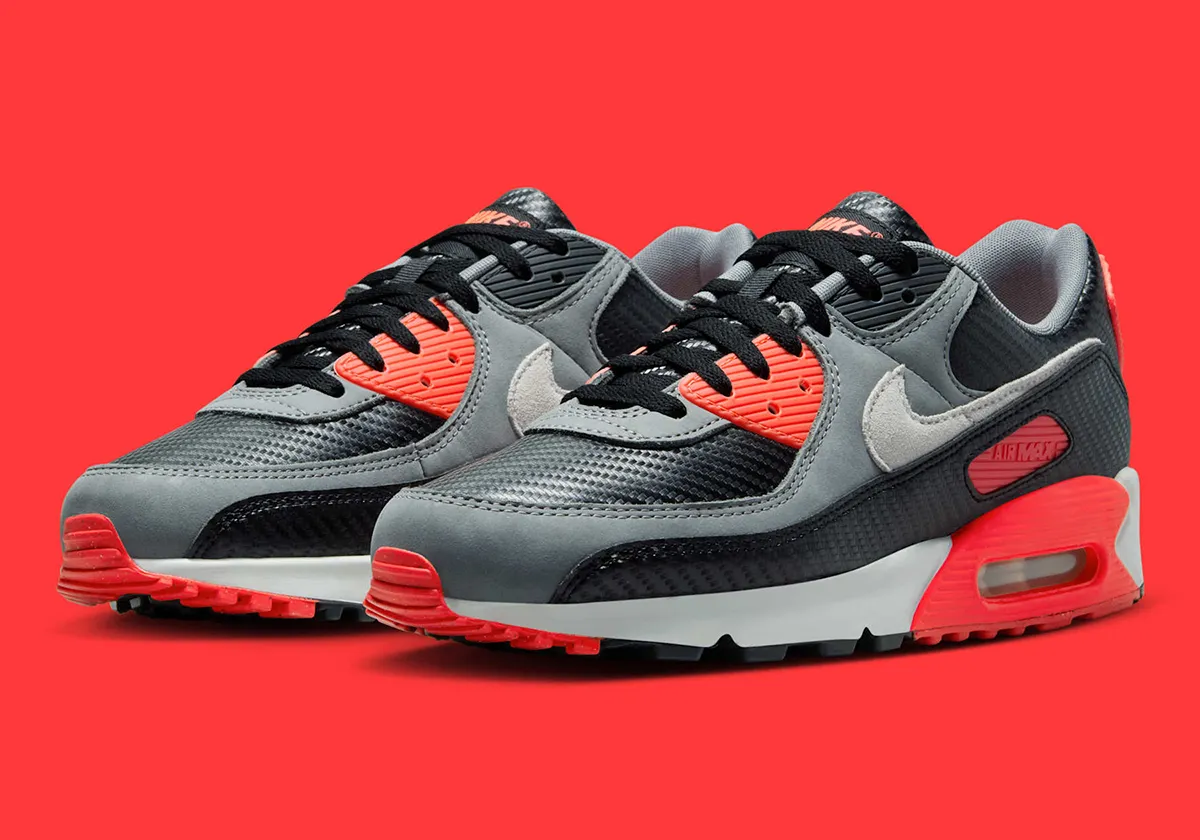
Quick Answer: A carbon fiber shoe shank is a thin composite reinforcement placed in the midfoot to control bending and torsion at low weight. It is different from a full-length running plate: a shank usually supports a localized area, while a plate works with the entire midsole geometry. The right stiffness depends on footwear type, size, load and desired flexibility.
What Is a Shoe Shank?
A shank bridges or reinforces the midfoot between heel and forefoot. It helps the sole retain shape, distributes load and can limit unwanted twisting. Traditional shanks may use steel, nylon or fiberglass; carbon composite offers high stiffness in a thin, light part.
Carbon Fiber Shank vs Carbon Plate
| Feature | Carbon shank | Carbon running plate |
|---|---|---|
| Typical length | Localized midfoot reinforcement | Often extends through much of the shoe |
| Main purpose | Support and torsional control | Bending geometry within a performance midsole |
| Flex pattern | Leaves more forefoot freedom | Influences rollover and toe-off |
| Common footwear | Hiking, work, court, cycling and dress shoes | Performance running and racing shoes |
Why Use Carbon Fiber?
- High stiffness-to-weight ratio
- Thin profile inside limited sole space
- Directional stiffness through fiber orientation
- Corrosion resistance compared with steel
- Repeatable molded curvature
Carbon is not automatically superior. Nylon can provide more flexible support, fiberglass can offer lower cost and steel can be durable in appropriate designs.
How Shank Stiffness Is Tuned
Designers adjust fiber direction, ply count, thickness, width, length and curvature. Unidirectional fibers provide strong stiffness along one axis; off-axis or woven plies improve torsional control and damage tolerance. Rounded edges and gradual thickness transitions reduce stress concentrations.
The shank works with outsole, midsole foam, lasting board and upper. Testing it alone does not fully predict footwear behavior.
Applications
| Footwear | Shank role | Design priority |
|---|---|---|
| Hiking boot | Support under load and uneven terrain | Torsion, impact and comfort |
| Cycling shoe | Transfer force to pedal | Forefoot stiffness and cleat interface |
| Court shoe | Control midfoot twist | Lateral stability and flexibility |
| Work boot | Support and shape retention | Durability and safety requirements |
| Dress shoe | Thin arch/waist support | Low profile and fit |
Manufacturing a Carbon Fiber Shoe Shank
- Define required bending and torsional stiffness by size.
- Cut prepreg or thermoplastic composite plies.
- Orient fibers to the intended load directions.
- Mold and consolidate the curved profile.
- Trim and seal edges.
- Bond or encapsulate the shank in the sole assembly.
- Test repeated flex, impact, moisture, heat and footwear adhesion.
For general small composite-part production, see our custom carbon fiber components and CNC carbon fiber parts guides.
Comfort and Fit
Too little stiffness may allow unwanted midfoot collapse; too much can create pressure, restrict natural movement or move loads elsewhere. Foot shape, footwear size, arch geometry and activity influence comfort.
A structural shank should not be used as a medical treatment claim. People with pain, injury, neuropathy or a diagnosed foot condition should seek advice from an appropriate healthcare professional.
Durability and Failure Modes
- Matrix cracks from repeated flexing
- Delamination after impact or poor edge design
- Bond failure between shank and sole
- Edge damage cutting surrounding foam or textile
- Permanent deformation in non-carbon alternatives
The shank is usually hidden, so squeaks, sudden changes in flex, localized pressure or sole separation may be the first signs of a problem.
Air Max 90 “Reverse Infrared” Example
The original article on this URL described a Nike Air Max 90 colorway with a woven carbon-fiber-like textile across the upper. An upper pattern is not the same as a structural carbon shank. Unless the manufacturer identifies actual carbon reinforcement and its location, the safest description is carbon-inspired visual design.
This distinction protects both shoppers and brands from turning a colorway name into an unsupported material-performance claim.
OEM Specification Checklist
- Footwear category and size range
- Target bending and torsional stiffness
- Shank length, width, curvature and thickness
- Fiber form, resin and molding process
- Edge radius and encapsulation method
- Bonding surface and adhesive compatibility
- Flex-fatigue and impact test conditions
- Moisture, sweat, heat and cold exposure
- Part traceability and dimensional inspection
How to Evaluate Marketing Claims
- Find the official bill of materials or technical description.
- Identify the exact carbon component and its location.
- Separate visual weave from structural reinforcement.
- Ask whether the claim applies to all sizes and regional SKUs.
- Look for complete-shoe testing, not only material properties.
Frequently Asked Questions
Can you see a carbon shank?
Usually it is hidden inside the sole, though some footwear exposes part of the composite through an outsole window.
Is a carbon shank the same as arch support?
No. It can influence midfoot stiffness, but fit and support come from the entire shoe geometry and footbed.
Does a carbon shank make a shoe faster?
Not by itself. In running footwear, performance depends on plate or shank geometry, foam, rocker, fit and the individual.
Can carbon shanks break?
Yes. Poor design, impact or repeated overload can cause cracking or delamination.
Is a woven carbon upper structural?
Not necessarily. It may be a textile or visual pattern; verify the manufacturer’s material statement.
Related Guide
For the mechanics of full-length performance plates, read How Carbon Plate Running Shoes Work.
This article is educational and not medical or footwear-prescription advice.