
Pickleball Paddle Grip Specifications: Define the Finished Handle

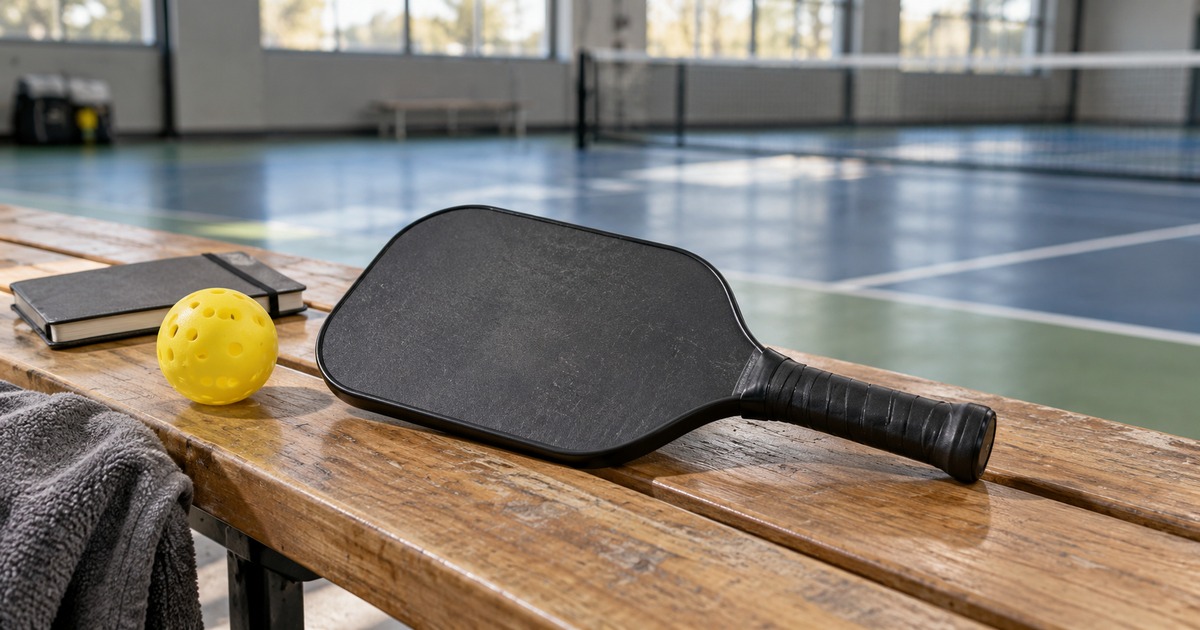
A pickleball paddle grip specification should describe the finished handle the buyer will receive. Record its circumference, the position and method used to check it, the handle-length endpoints, the installed grip and any overgrip, and the sample revision. A size written on a quotation is incomplete if one person means the bare handle and another means the wrapped paddle.
For a club-branded range or a private-label reorder, start with the approved sample in its agreed delivery condition. Keep player comments about feel beside the dimensional record, rather than using those comments as measurements. The record below is a buyer-side proposal to agree with the supplier; it is not a universal grip-measurement standard or a statement of CFW test services.
Separate circumference, handle length and grip covering
Grip circumference is the distance around the handle; handle length is a distance along it. They describe different attributes. Wilson’s UK Fierce Max listing, for example, presents a grip-size selection separately from handle length. Those dimensions describe that Wilson model and are not CFW specifications.
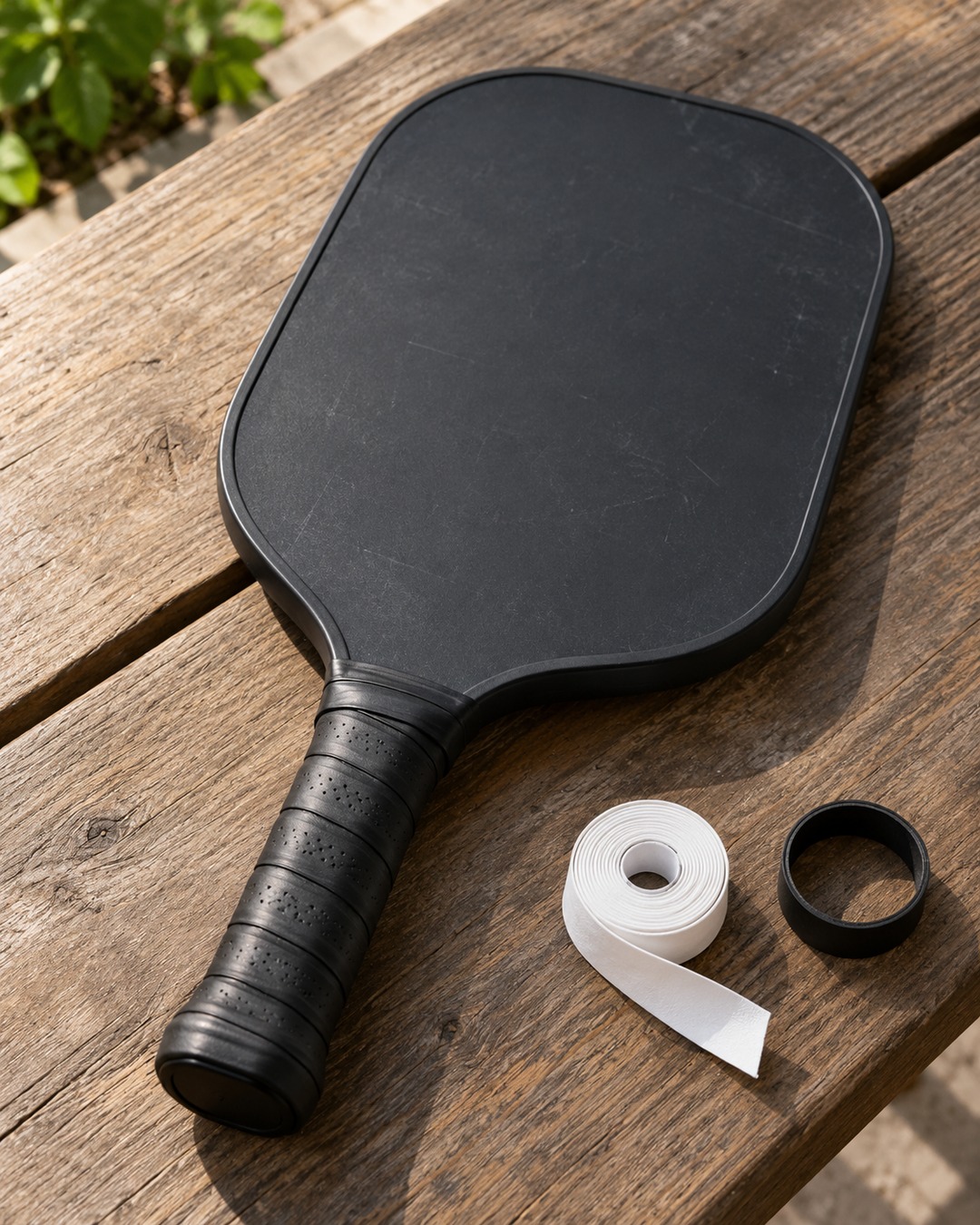
The covering also matters. Selkirk distinguishes a replacement grip from an overgrip: the first covers the handle, while the second is an additional wrap around the grip. Its guide explains that extra wrapping increases handle circumference. For an OEM order, this supports a practical question: which layers are included in the dimension you are approving?
Use separate entries for the structural handle, the installed grip and any additional wrap. Identify the agreed grip material or supplier reference where known; mark it open where it is not. A dark, textured photograph does not establish a handle’s internal construction, grip material or finished size.
Define the condition and the place you will measure
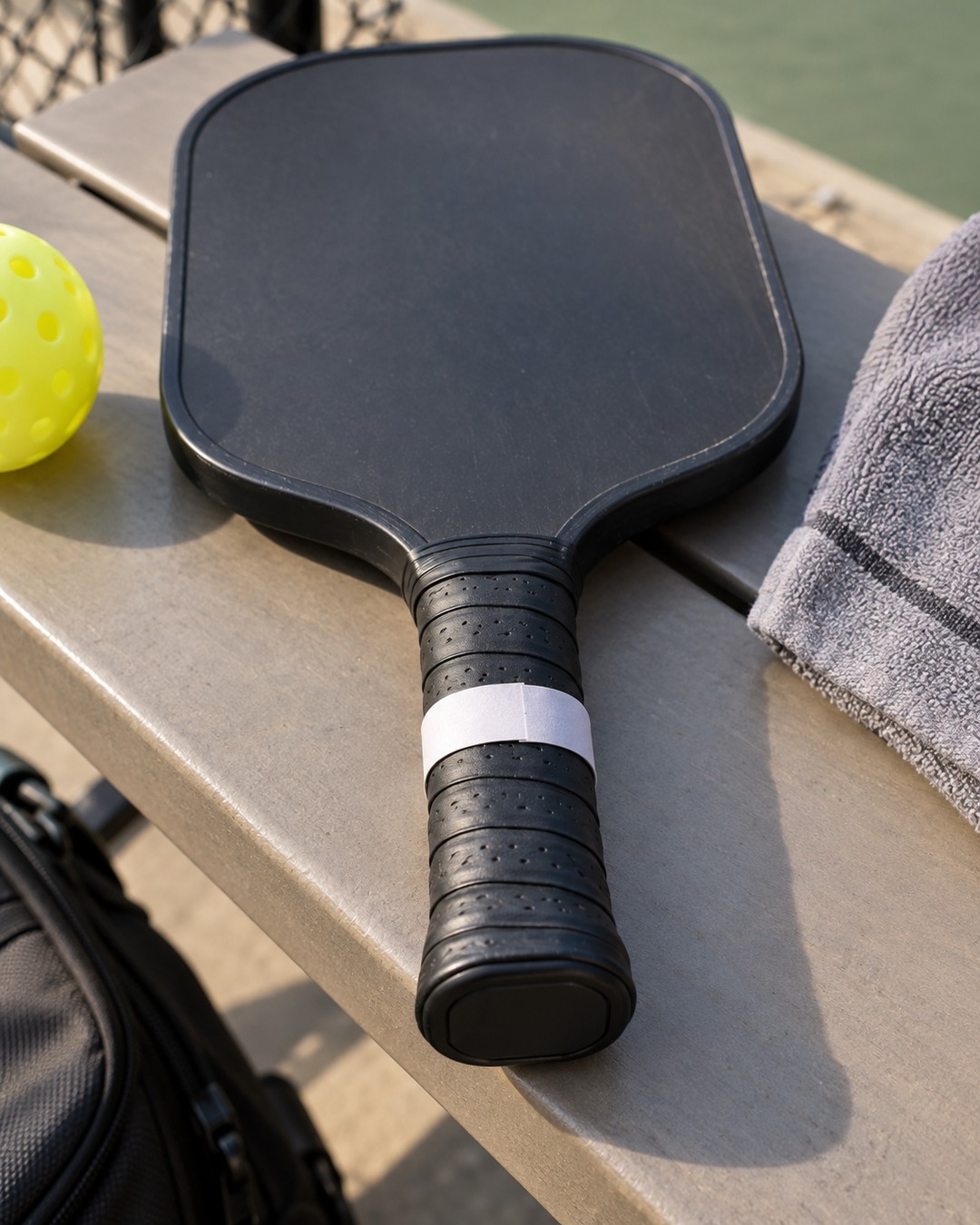
Agree the circumference-check location on the drawing or a photograph of the actual sample. A butt-cap flare, a handle transition or a local overlap is a different location from the section a buyer intends to compare. Record the chosen reference position so that later sample and receiving checks use the same place.
Also agree the checking method. If a flexible tape is proposed, define the tape, how it is placed, and how the supplier will avoid an inconsistent squeeze of a cushioned wrap. If another method is used, name it in the record. The acceptable tolerance and the inspection method need agreement; this guide does not supply a universal value.
For handle length, mark both endpoints. Decide whether the dimension includes the butt cap, ends at the face transition, or describes only the usable wrapped area. If usable grip length matters, record it separately. Writing only “long handle” leaves those decisions unresolved.
Compare samples in the condition specified for delivery: for example, the agreed grip installed and no optional overgrip added by the evaluator. If an overgrip is part of the order, identify its reference and installed state. Keep a modified demonstration paddle separate from the unmodified acceptance reference.
Use one finished-handle record with the sample
The following fields turn a general grip-size request into a specification discussion. Fill the values from the actual sample, controlled drawing and supplier confirmation. Leave unmeasured values blank or label them not verified.
| Field | Decision or evidence to retain |
|---|---|
| Paddle and sample identity | Model or project code, sample ID, drawing revision and check date. |
| Delivery condition | Installed grip reference; any overgrip included, excluded or still open. |
| Circumference | Agreed target and tolerance, actual sample reading and units; distinguish measured from nominal. |
| Check location and method | Marked position, tool or method, and the agreed handling of the wrap during the check. |
| Handle and usable grip length | Drawing endpoints and any separately defined usable wrapped length. |
| Handle profile and end finish | Profile reference, butt-cap arrangement, wrap overlap and finishing detail to be confirmed. |
| Reference evidence | Actual sample photographs and the physical reference retained by each side. |
| Decision and change control | Accepted, revise or not verified; responsible contact and any change requiring review. |
Where the grip covering is changed between samples, record the change before interpreting a different circumference or feel. Agree whether the new wrapping needs a revised sample record. Keeping the same model name does not make two differently finished handles the same approved reference.
Compare feel without changing the reference silently
A player can describe a sample as firm, cushioned or easy to hold, but that observation is personal feedback. It is not proof of a dimensional tolerance, improved performance or injury prevention. Identify the sample and its installed layers beside the comment so the purchasing team knows what was actually evaluated.
If the buyer wants to compare two grip finishes, keep the underlying paddle specification and the evaluation conditions as consistent as practical, and list any remaining differences. Decide which finish the proposed order should match. Do not carry a modified player’s paddle forward as a production reference without documenting and approving the modification.
For a wider sample comparison, use the paddle shape and core-thickness guide. For the full sign-off, see the OEM sample-approval checklist. This article adds the finished-handle condition and measurement references needed to make the grip part of that decision precise.
Carry the agreed handle into a reorder
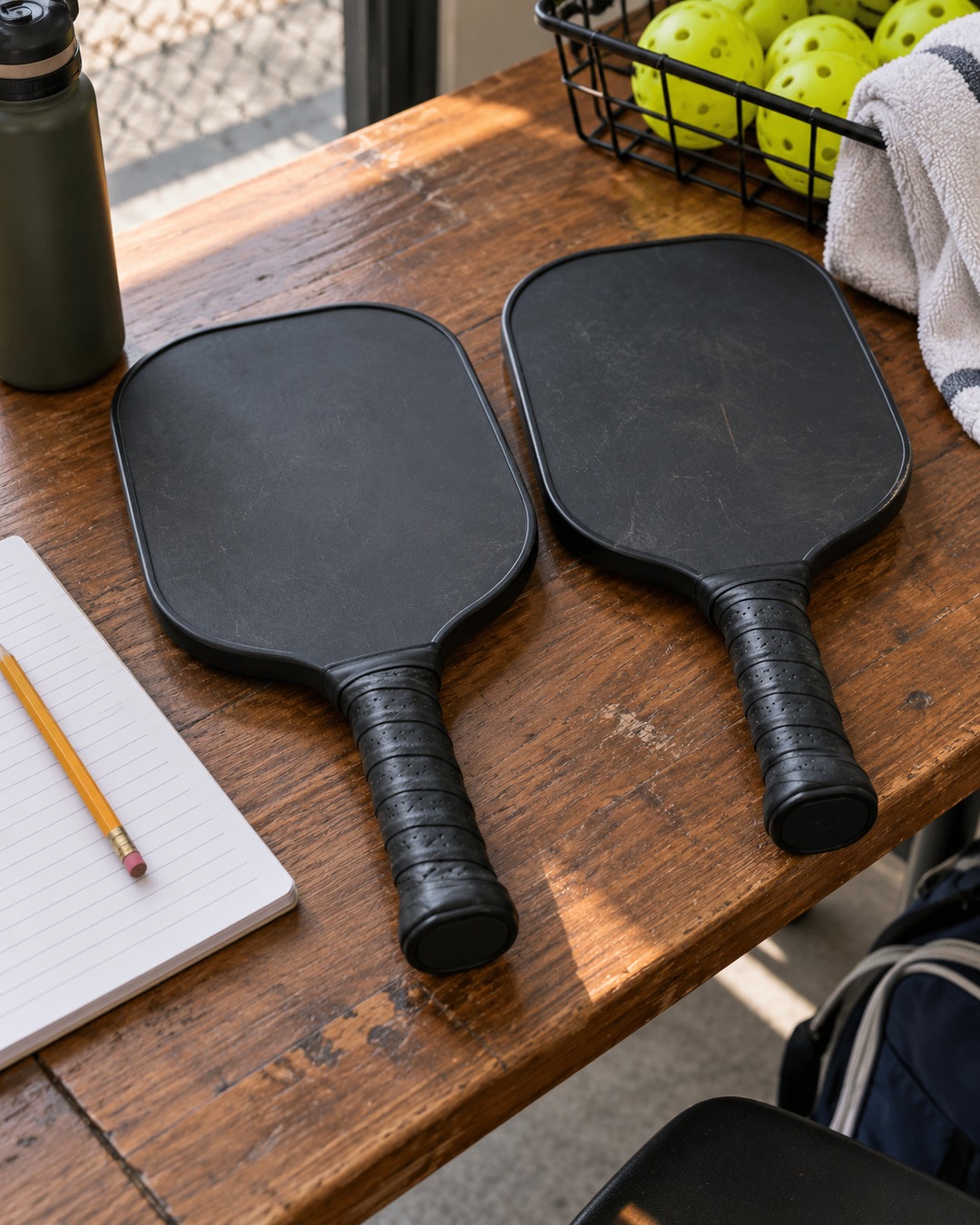
Retain the approved paddle sample and its handle record together. On a later delivery, check the sample or inspection records against the same condition, reference position and endpoints. A buyer-added overgrip should not be confused with a change in the supplied paddle.
If the grip material, wrapping method, handle profile or end finish changes, identify the new revision and resolve it before treating the delivery as an accepted repeat. The record defines what must be reviewed; it does not promise that every production unit matches one photographed sample.
Prepare a CFW paddle enquiry
CFW-2854 is a custom carbon fiber pickleball paddle reference. Its current listing asks buyers to specify the dimensions, grip details, core and face construction, graphics and any pack contents. It does not publish a confirmed range of grip circumferences or guarantee that every proposed grip finish is available.
For a quotation, send the intended market, paddle drawing or reference, finished-handle record, quantity and destination. Identify the layers included in your requested grip size and any field awaiting confirmation. Use the CFW enquiry page with reference CFW-2854 and agree with the team how to transfer drawings or sample photographs. This article makes no competition-approval claim for a CFW paddle.
Editorial sources reviewed on 14 October 2026: Selkirk’s US grip guidance and Wilson’s UK product listing, linked above; current CFW product and published buyer-guide records. Scene images illustrate a generic paddle family and a proposed buyer workflow, not a photographed CFW sample, customer project or measurement result.