
Carbon Arrow Length: Name Both Measurement Endpoints

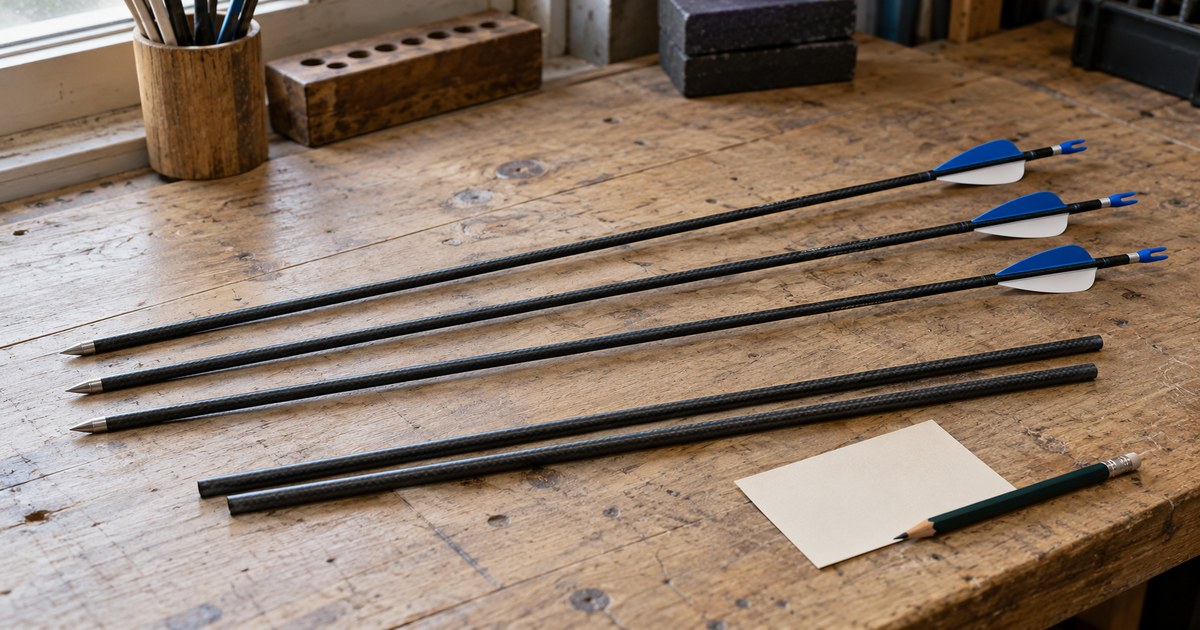
A carbon arrow length becomes a usable order requirement only when its two measurement endpoints and supplied condition are identified. A bare shaft measured end to end, an arrow measured from the nock groove to the shaft end, and an arrow measured to an insert end are different requests. Copying a number from an old order does not identify which one the supplier should reproduce.
For a distributor or target-archery buyer replacing existing stock, begin with the actual sample and the delivery condition required. This guide explains how to describe the length in a quotation and receiving record. It does not select a safe arrow length, spine or bow setup, or provide cutting and assembly instructions.
Two manufacturer definitions show why the endpoints matter
Easton’s current FAQ defines its arrow-length measurement from the bottom inside the nock groove to the cut shaft end, excluding the point and insert. By contrast, the Gold Tip spine-selector page describes its input from the nock throat to the insert end. Follow each manufacturer’s definition when using that manufacturer’s resource.
These examples identify different front reference points. They do not establish a universal conversion, an error in either resource, or a measurement definition for CFW products. Their practical value for purchasing is that the phrase arrow length, without a defined endpoint, can carry more than one meaning.
If a supplier’s quotation uses a different definition from the buyer’s existing record, resolve that difference before comparing the numbers. Do not add or subtract an assumed nock or insert allowance. The component identity and its position in the actual assembly need to be known before two measurements can be related.
Keep these length requests separate
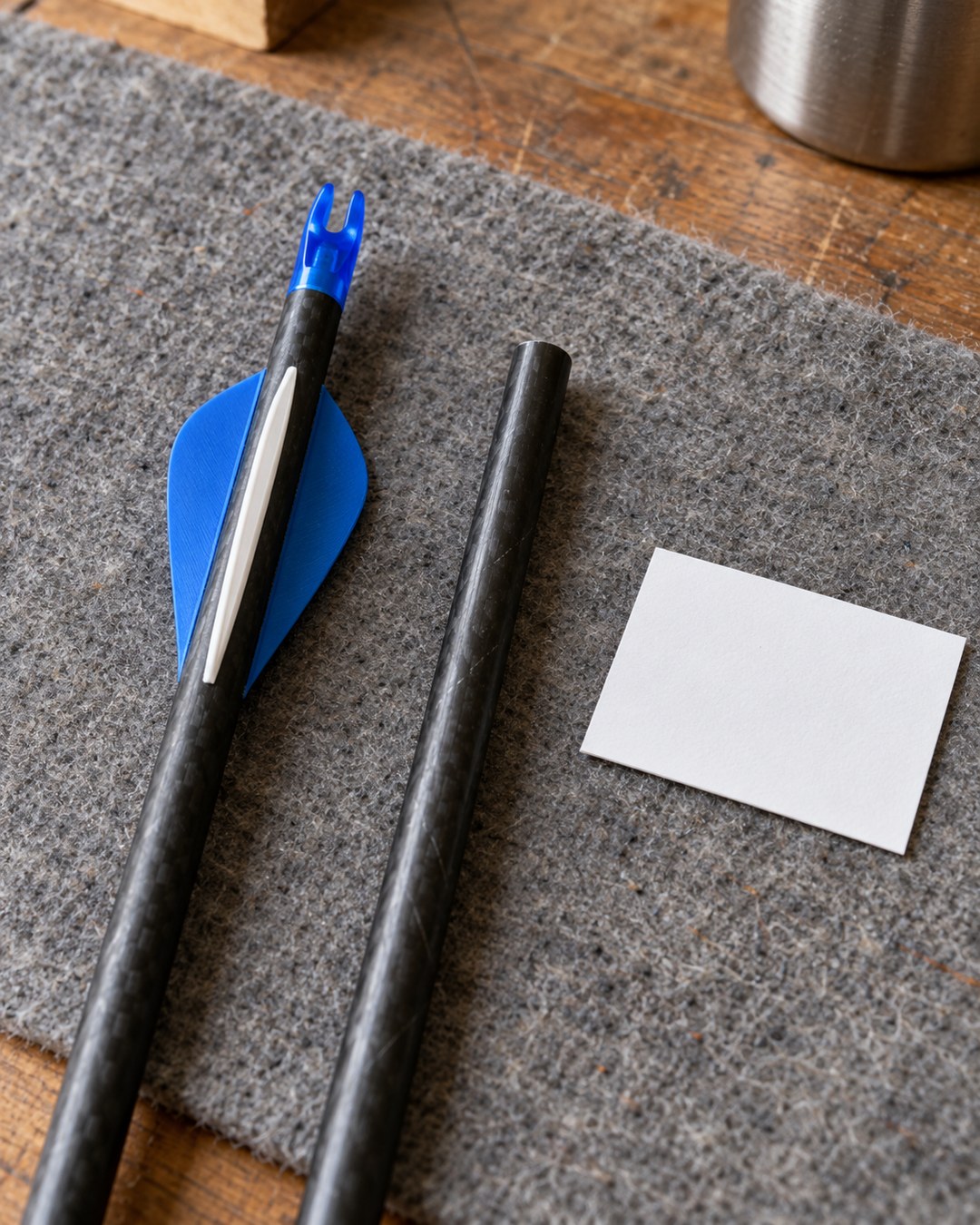
Name the requested dimension in words and mark its endpoints on a drawing or photograph of the identified sample. The following categories are purchasing descriptions, not universal archery standards.
| Requested dimension | Endpoints to identify | Question before quoting |
|---|---|---|
| Bare-shaft length | The two physical ends of the shaft, with end components excluded | Does the quotation describe the shaft in its supplied condition or a later finished state? |
| Nock-to-shaft length | The specified location inside the installed nock groove and the shaft’s front cut end | Which nock reference and installed position define the rear datum? |
| Nock-to-insert length | The specified nock-groove location and the named end of the installed insert | Which insert reference and seating condition define the front datum? |
| Overall assembled length | The agreed rear extremity and front extremity of the completed arrow | Are all included end components identified, rather than inferred from a photograph? |
An overall dimension can help describe a storage or packing envelope, but it should not silently replace the dimension used in an equipment manufacturer’s selection guidance. Keep the intended purpose beside each dimension so that purchasing, packing and the equipment adviser are discussing the same thing.
Make the reference sample readable to another person
Record the part before recording the number
Give the retained sample an identifier. State whether it is a bare shaft, a shaft with a nock, or an assembled arrow, and identify the relevant nock and front component where known. A sample whose history is unknown should stay an unresolved reference; an attractive photograph does not supply its missing component details.
Use one marked image to locate the rear datum and another to locate the front datum if a single view is unclear. Keep the marks beside the identified physical features. A mark on a photograph helps explain the requirement; its pixel spacing is not a calibrated length measurement.
Agree the checking method and tolerance separately
Write the required value and unit beside the named endpoints. Then agree the checking method, the condition in which the sample is checked, and the acceptable tolerance. Keep a nominal catalogue figure separate from an actual sample reading. This article supplies neither an inspection tolerance nor a claim that CFW has measured the reader’s sample.
Where an installed component obscures a shaft end, ask how that reference will be established and documented. Do not remove, reposition or substitute components simply to make an uncertain reference easier to measure. Resolve the requirement with the responsible supplier or equipment professional.
A reorder can match the number and still leave the requirement open
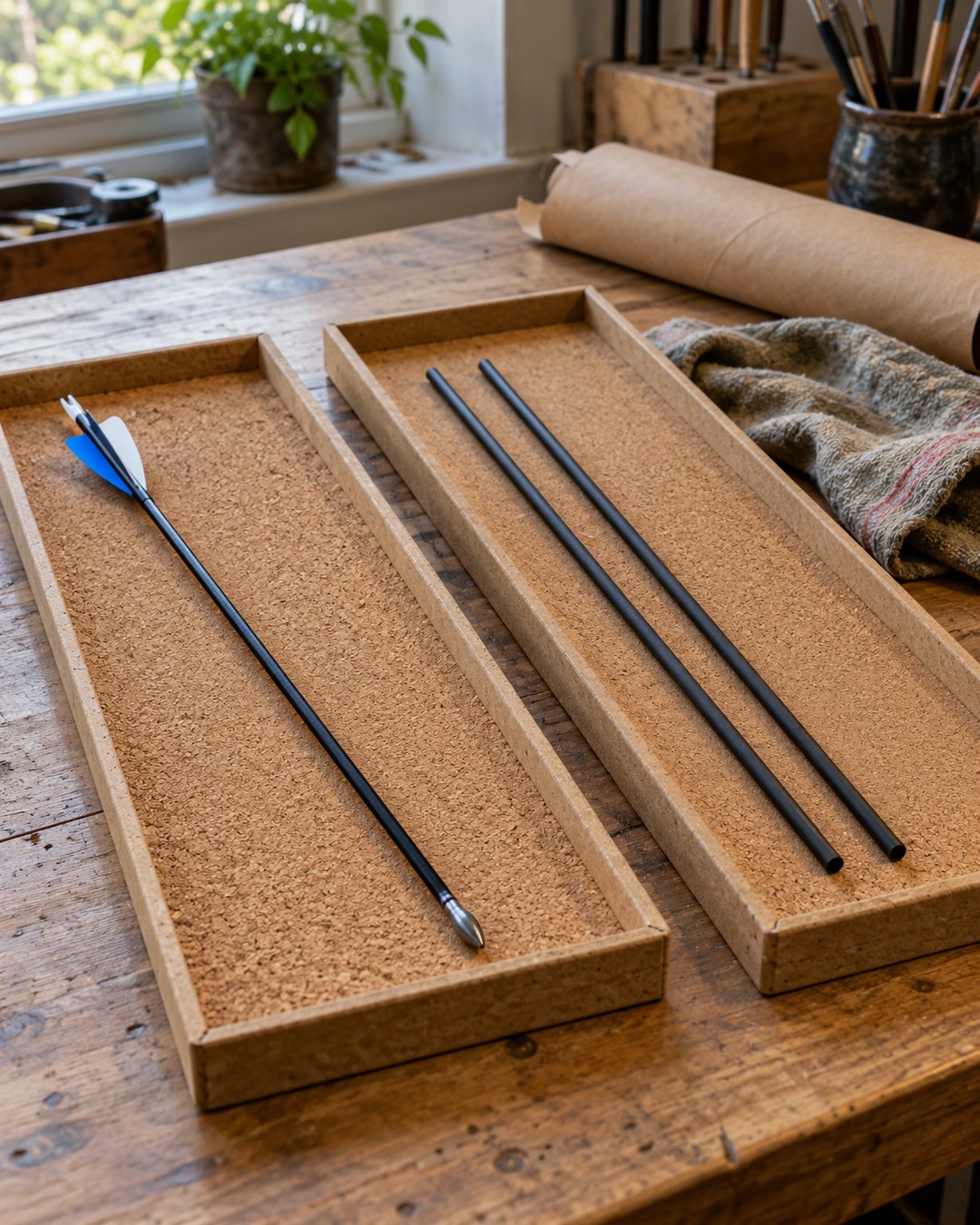
Consider a hypothetical buyer holding an assembled sample while requesting a batch of bare shafts. The previous paperwork gives only a length, without saying whether the front reference was the shaft end or an installed component. The new quotation repeats that number for the bare shaft.
That agreement is incomplete. The buyer asks the supplier to identify the proposed shaft-only dimension, records the old sample’s component state, and obtains confirmation of the dimension the new deliverable must meet. If the old definition cannot be recovered, the parties agree a new explicit requirement rather than claiming that the repeated number reproduces the old arrow.
The receiving record can then compare a bare shaft with a bare-shaft requirement. Any completed-arrow dimension belongs in its own identified assembly record. This avoids treating unlike measurements as a production discrepancy, while leaving bow suitability and component compatibility for their separate review.
What the CFW catalogue references establish
The current CFW-2810 carbon arrow listing presents a 30 in shaft-length reference. The CFW-3387 carbon arrow component listing presents a 32 in length reference. Both ask buyers to specify the shaft length and how it is measured, together with the required configuration.
Those figures identify published catalogue references. They do not settle the endpoints for an unconfirmed order, the actual length of a retained assembled arrow, or suitability for a particular bow. CFW-2810 and CFW-3387 are enquiry references, not proof that the products share interchangeable components.
For insert and nock interfaces, use the separate carbon arrow component-fit guide. This article addresses the length definition that must travel with the specified deliverable; it does not replace that fit review.

Send an enquiry with the endpoints attached
For a CFW-2810 quotation, include the sample or drawing reference, the two marked endpoints, the required value and unit, and whether the order is for bare shafts or assembled arrows. Identify any nock or insert whose installed position affects the dimension. Add the quantity, delivery destination and unresolved requirements.
Before accepting the quotation, check that it repeats the same dimension definition and supplied condition. Retain that version with the order and any later sample observations. A change to an endpoint or controlled component needs an explicit review; a familiar product name cannot carry that decision by itself.
Send your arrow-length requirements with reference CFW-2810. Agree the sample details and the method for sharing drawings with the team. Keep selection and safe use of the complete equipment with the relevant manufacturer’s guidance and a qualified archery professional.
Manufacturer definitions and CFW catalogue pages reviewed October 17, 2026. The comparison and reorder example are original editorial planning aids. Scene illustrations show generic equipment at rest, not a photographed CFW model, customer order or inspection result.