
Pickleball Paddle Case Fit: Approve the Finished Pair
Check a pickleball cover against the finished paddle. Define coverage, verify access and closure, and keep a six-field package approval record.

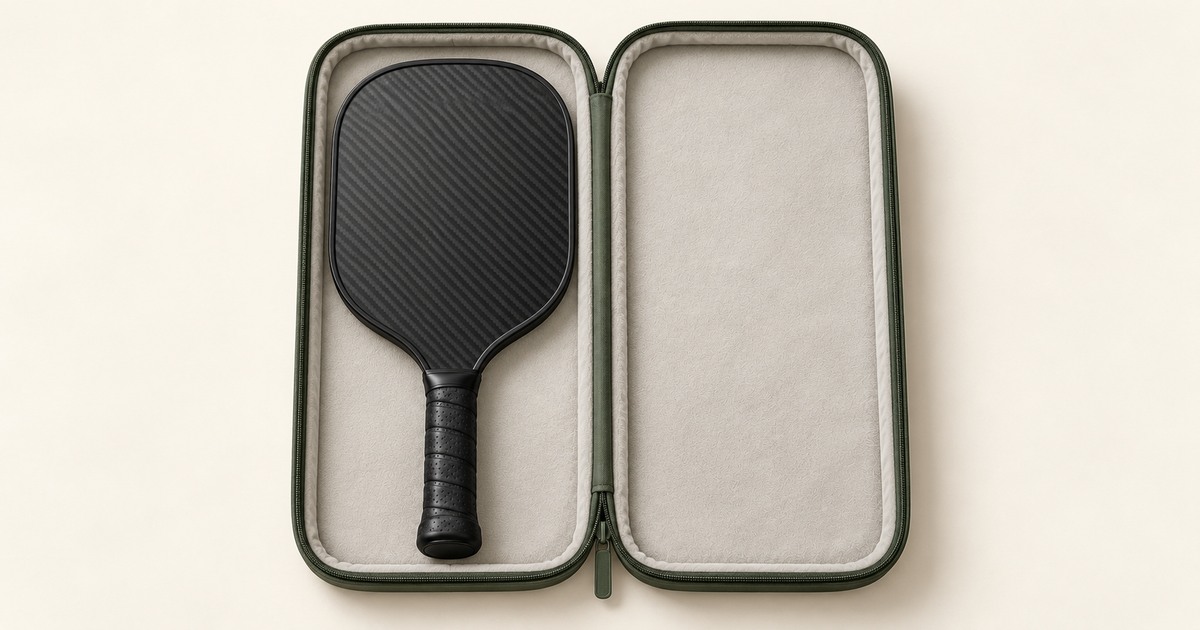
A pickleball paddle case should be approved against the finished paddle and the agreed packing configuration. Identify both samples, define whether the cover protects the head or the entire paddle, then check insertion, closure and removal. A nominal paddle outline or a case’s external measurements does not demonstrate that a specific pair fits.
This guide is for OEM and private-label buyers ordering a paddle with an optional cover or sourcing the cover separately. The record below is a buyer-side proposal, not a standardized test, protection rating or confirmation that a pictured case is available from CFW.
Define what the cover must cover
A head sleeve and a complete-paddle case answer different requirements. A head sleeve may intentionally leave the grip outside. A full-length case may also enclose the handle and butt cap. Write down the coverage you need before comparing quotations or approving a sample.
Specify the condition of the paddle during the check: final edge construction and grip installed, plus any additional wrap or protective item that is actually part of the order. Do not silently add accessories to the reference sample or remove them just to make the case close.
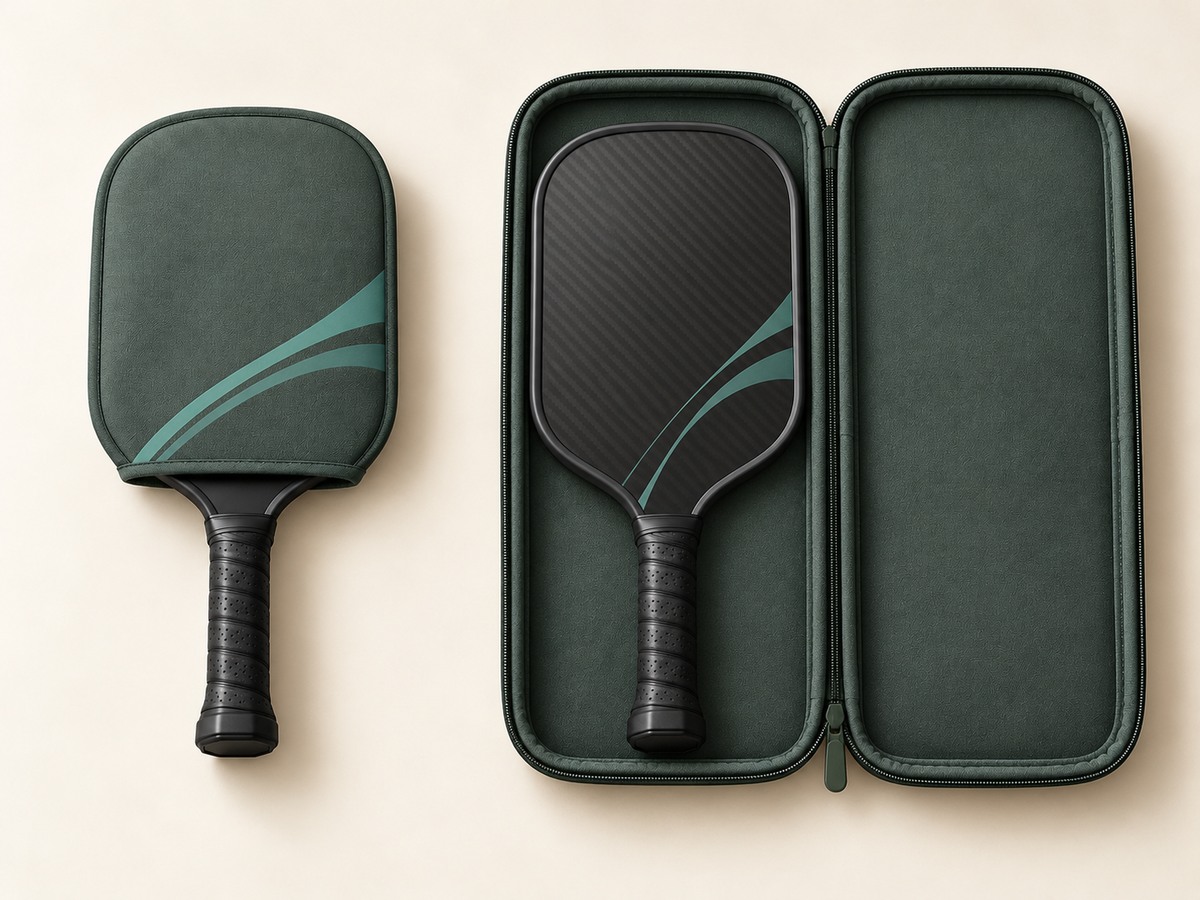
Use the finished paddle, not a nominal outline
Give the paddle drawing and the case specification separate revision identifiers. Record the finished paddle’s relevant outside dimensions, their units and how they were checked. Include the handle and butt cap when they belong inside the case. A nominal core thickness is a different attribute from the outside envelope the case must accommodate.
If the paddle specification is still open, first resolve the shape and finished-thickness comparison. For a change in wrapping or butt-cap arrangement, use the finished-handle record so the packaging discussion refers to the same delivered paddle.
Ask the case supplier which dimensions describe usable interior space and which describe the outside of the case. Note where lining, seams or the opening affect access. Agree any required allowance and checking method for the actual pair; this guide supplies no universal clearance value. A photograph can identify a location or visible condition, but it is not a dimensional reading.
Check the opening and closure on the same pair
A comparison of dimensions is a screening step. The proposed package also needs an actual paired-sample check. Put the finished reference paddle into the selected case using the intended opening. Observe where the head, edge, grip and butt cap pass through and where they sit once inside.
Check that the closure can be operated as intended without forcing the paddle into place. Record any snagging, visible distortion, contact with the zip or other concern that requires review. Then remove the paddle and inspect the visible condition of the contact areas. These observations describe that sample and procedure; they do not establish long-term abrasion resistance or impact protection.
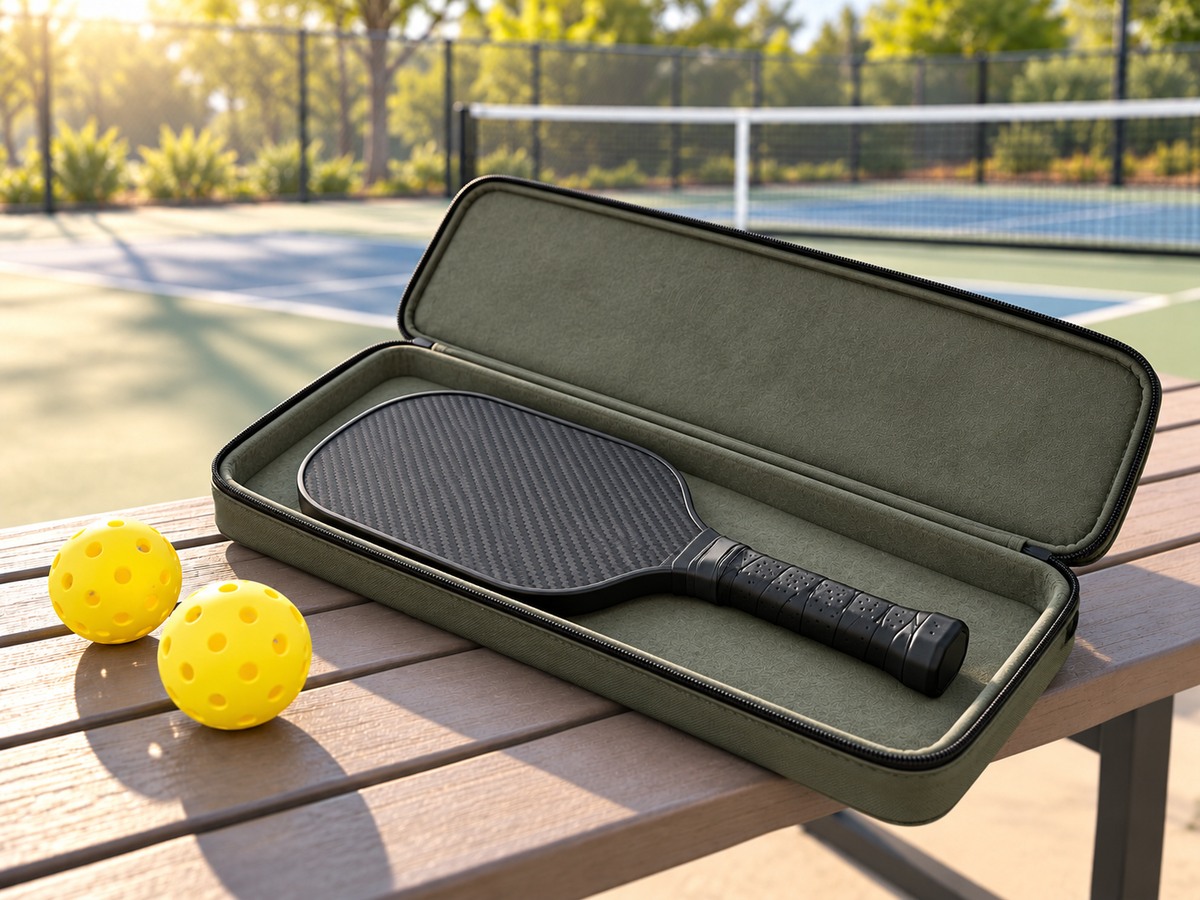
Use the intended pack contents during the check. If balls, an accessory pouch or an information card are included, agree where each item belongs. Do not assume that an empty case check covers the final package. Shipping protection is a separate decision from whether the paddle can be inserted and the case closed.
Keep a six-field fit-approval record
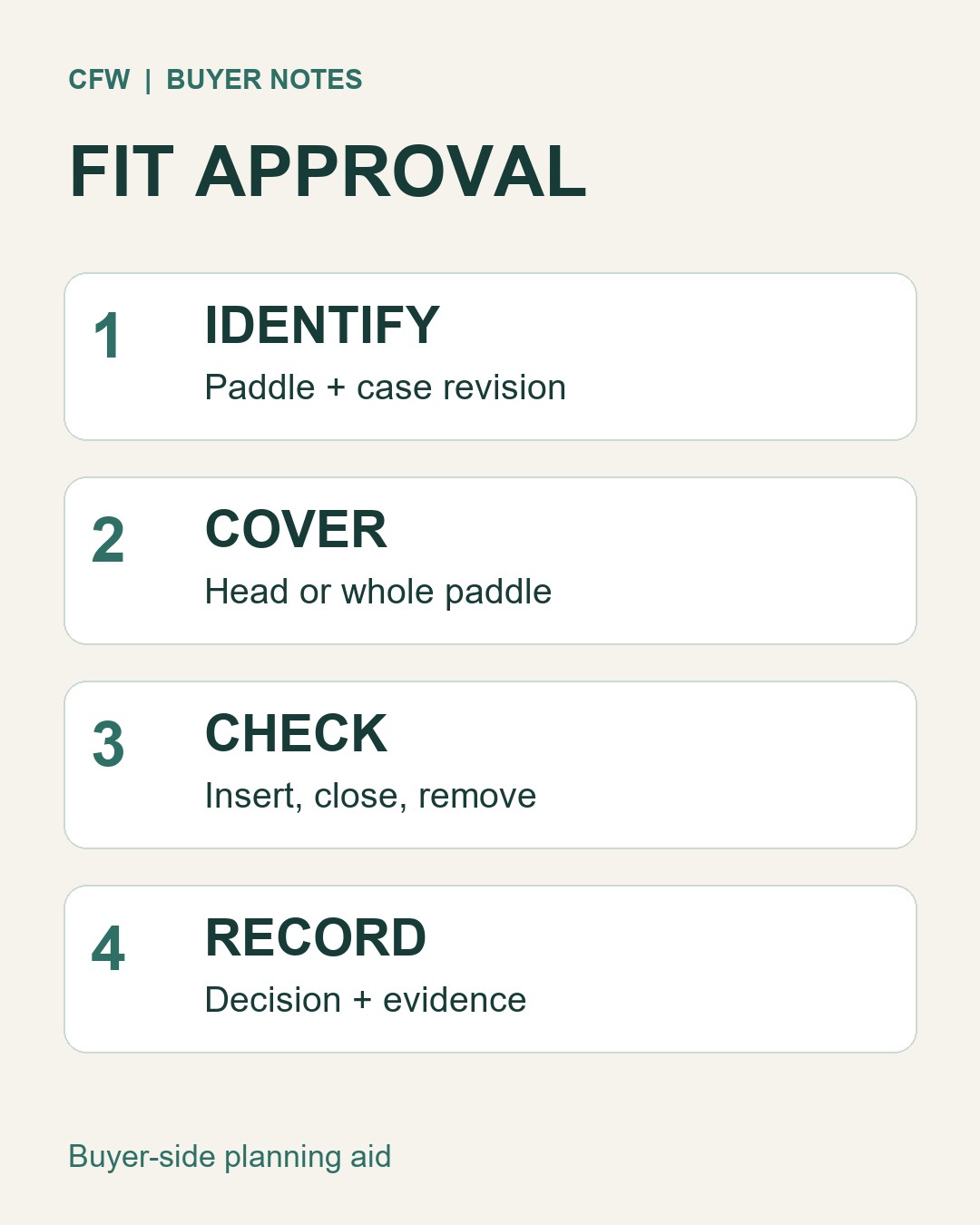
Use the following record with the supplier’s proposal and the actual samples. Separate requested conditions, observed evidence and the acceptance decision. Leave an unmeasured item marked not verified; an attractive mockup is not a completed check.
- 1. Pair identity
- Paddle model or project reference, sample ID and drawing revision; case reference, sample ID and specification revision; check date.
- 2. Coverage and delivery condition
- Head-only or whole-paddle coverage; edge, grip and any extra wrap installed for the check; included and excluded accessories.
- 3. Dimensional basis
- Relevant finished-paddle readings and units; the case supplier’s internal-versus-external dimension definitions; locations, methods and any agreed allowance.
- 4. Access and closure observations
- Insertion path, closure and removal on the identified pair; visible contact or interference; photographs showing the concern or accepted condition.
- 5. Final pack configuration
- Contents and their positions, any instructions or labels affecting the fit, and the exact version checked. Record shipping requirements separately.
- 6. Decision and reference
- Accepted, revise or not verified; unresolved items and responsible contacts; the physical pair and dated evidence retained by each side.
Recheck changes before releasing the package
A change to the paddle outline, finished edge, grip build, case lining, seam, opening or pack contents can make the previous pairing record incomplete. Identify the change and agree whether the paired sample must be checked again. Keeping the same product name does not establish that the controlled configuration is unchanged.
Keep a fit acceptance decision separate from any protection, transport or competition claim. If one of those claims matters to the order, request the applicable requirement, method and evidence independently. Passing a sample fit review does not certify a paddle for sanctioned play or validate a shipping package.
Prepare a CFW paddle-package enquiry
CFW-2854 is a custom carbon fiber pickleball paddle reference. Its current listing asks buyers to agree dimensions, construction, graphics and pack contents. It does not establish that every proposed protective case is included or available.
Send the paddle reference or current drawing, intended coverage, case sample or proposed specification, relevant fit observations, required contents, quantity and destination through the CFW enquiry page. State whether you want CFW to assess a package proposal or whether the cover will be supplied separately. Agree how to transfer drawings and sample photographs with the team; do not assume that the web form accepts attachments.
Original editorial illustrations show generic paddle and cover concepts, not photographed CFW samples, measured results, confirmed accessory supply or customer projects. The pairing record is original editorial organization.